EN
EN RU
RU
 AR
AR
 FR
FR
 PT
PT
 ES
ES
 FA
FA
 VI
VI
 KK
KK
 LA
LA
 KM
KM
 LO
LO
 JA
JA
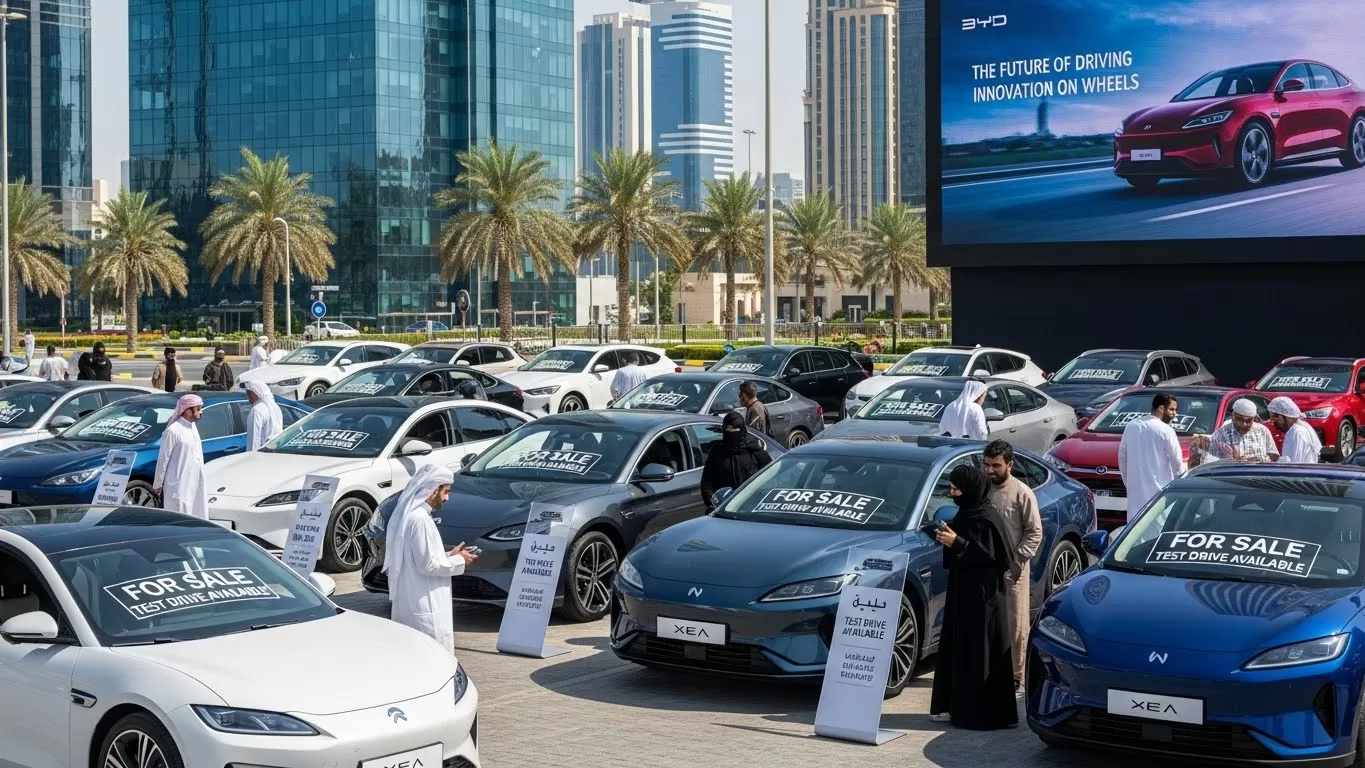
Why Chinese New Energy Vehicles Are Ideal for Africa & the Middle East in 2025
The global shift toward sustainable mobility is accelerating, and Africa and the Middle East are quickly becoming key growth markets for electric vehicles. Among all suppliers, China stands out as the most competitive and reliable source. Today, Chinese EV export is not just a trend—it’s a practical, profitable solution for dealers, importers, fleet operators, and leasing companies.
With affordable pricing, flexible configurations, and proven performance in hot climates and emerging markets, electric cars from China are increasingly seen as the ideal choice for large-scale imports. In this in-depth guide, we’ll explain why Chinese new energy vehicles (NEVs) are so well suited for Africa and the Middle East, backed by data, real market needs, and sourcing insights.
Understanding New Energy Vehicles (NEVs)
Before diving into the market advantages, let’s clarify what NEVs include:
- Battery Electric Vehicles (BEVs) – fully electric
- Plug-in Hybrid Electric Vehicles (PHEVs) – electric + fuel
- Range-Extended Electric Vehicles (REEVs) – electric drive with generator support
China is the world’s largest NEV producer, accounting for over 60% of global EV production, making it the backbone of China EV wholesale for international markets.
Why Africa and the Middle East Are Ready for Chinese EVs
Rising Fuel Costs
Fuel price volatility has pushed governments and businesses to seek alternatives. EVs offer lower operating costs, predictable energy expenses, and reduced dependency on fuel imports. This makes EV export to Africa and the Middle East increasingly attractive.
Government Support and Green Policies
Many countries now encourage EV adoption through reduced import duties, tax incentives, green fleet programs, and public charging infrastructure plans. These policies align perfectly with scalable Chinese EV export programs.
Key Advantages of Chinese EV Export
Competitive Pricing for Emerging Markets
Chinese EVs are often 30–50% cheaper than comparable Western brands.
- Entry-level EV: $6,000 – $9,000 FOB
- Compact EV: $9,000 – $13,000 FOB
- Electric SUV: $12,000 – $20,000 FOB
This pricing advantage allows importers to remain competitive while maintaining healthy margins.
Designed for Real-World Conditions
Unlike premium EVs built for mature markets, electric cars from China are designed for high temperatures, mixed road quality, heavy daily usage, and simple maintenance, making them ideal for African and Middle Eastern environments.
Flexible Models and Configurations
Chinese manufacturers offer left-hand drive vehicles, custom battery sizes, simplified or premium interiors, and local compliance options. Flexibility is a major reason why China EV wholesale is preferred by fleet operators and distributors.
Popular Chinese EV Categories for Africa and the Middle East
Urban Compact EVs
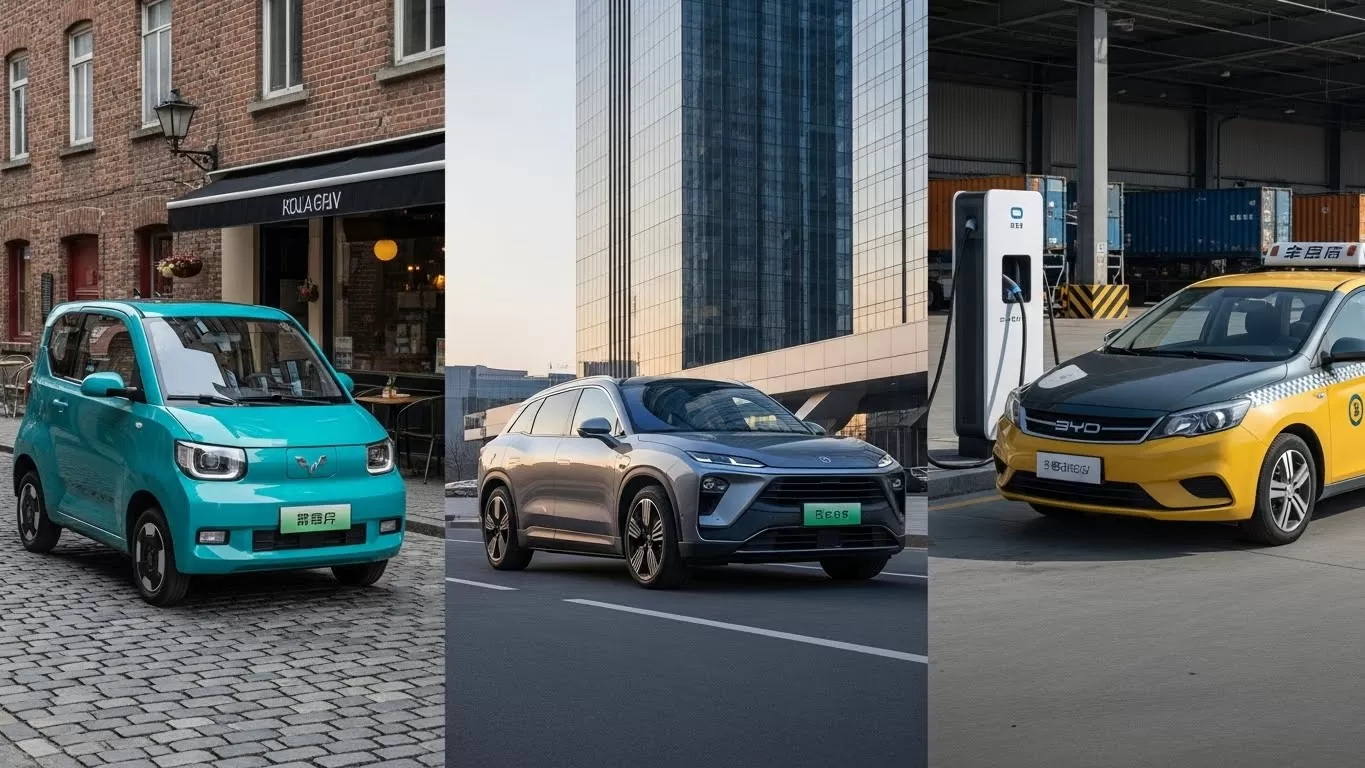
Ideal for city driving, taxi fleets, and ride-hailing services. Key benefits include low energy consumption, easy maintenance, and fast return on investment.
Electric SUVs
SUVs dominate buyer preference in both regions due to higher ground clearance, strong cooling systems, and spacious interiors. Electric SUVs are a fast-growing segment within Chinese EV export.
Commercial and Fleet EVs
Used by government fleets, corporate leasing companies, and delivery and logistics firms. Fleet electrification is one of the strongest drivers of EV export to Africa.
Market Demand Data and Trends
- Africa EV market growth rate: approximately 25% annually
- Middle East EV adoption growth: approximately 30% annually
- Fleet EV purchases account for more than 40% of imports
These figures confirm long-term demand for electric cars from China.
China EV Wholesale vs Other Sources
- Price: China significantly lower than Europe and the USA
- Model variety: China offers the widest range
- Bulk supply capability: China leads
- Customization: China provides higher flexibility
China clearly leads when it comes to scalable Chinese EV export solutions.
New vs Used Chinese EVs for Export
New EVs
New EVs are best for brand-building, offer full warranty support, but require higher upfront investment.
Used or Nearly-New EVs
Used EVs require lower investment, enable faster resale, and are ideal for refurbishers. Both segments are growing under China EV wholesale strategies.
The EV Export Process from China
A professional exporter simplifies the entire journey, including vehicle sourcing and model selection, quality inspection and battery testing, export documentation and compliance, shipping and customs clearance, and after-sales coordination.
Why Choosing the Right Export Partner Matters
EVs require more expertise than fuel vehicles. A trusted partner ensures battery safety compliance, accurate documentation, reliable logistics, and long-term supply stability.
Challenges and How Chinese EVs Address Them
Charging Infrastructure
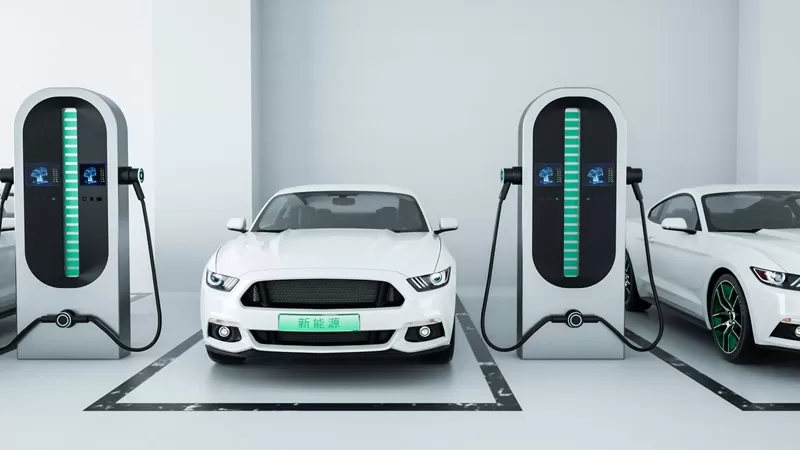
Chinese EVs often support slow AC charging, home charging, and portable charging solutions, helping markets with limited infrastructure.
Battery Concerns
Modern Chinese EV batteries feature thermal management systems, improved lifespan, and proven safety records. Battery reliability is no longer a barrier to Chinese EV export.
Future Outlook for Chinese EV Export
More affordable EV models will enter the market, battery costs will continue to decline, and government fleet electrification will expand. All indicators point to sustained growth in EV export to Africa and the Middle East.
FAQs: Chinese EV Export
1. Are Chinese EVs suitable for hot climates?
Yes. Most models are tested for high-temperature environments and include advanced cooling systems.
2. What is the minimum order quantity for China EV wholesale?
MOQ varies, but bulk orders typically start from 5–10 units, with better pricing at scale.
3. Are spare parts available for Chinese EVs?
Yes. Many suppliers offer long-term spare parts support and technical assistance.
4. How long does EV shipping take?
Shipping usually takes 25–45 days depending on destination and logistics routes.
5. Can EVs be customized for local regulations?
Yes. Chinese manufacturers provide flexible compliance and configuration options.
6. Is EV export to Africa profitable?
Yes. Lower operating costs and rising demand make EV imports increasingly profitable.
Conclusion
For dealers, importers, and fleet operators, Chinese EV export offers a powerful opportunity to enter or expand in the fast-growing electric vehicle market. With affordable pricing, reliable technology, and strong adaptability to local conditions, electric cars from China are ideally positioned to meet the needs of Africa and the Middle East.
By working with experienced exporters and choosing the right models, businesses can unlock long-term growth and sustainable profits through China EV wholesale strategies.
Hot News

Industry information
Silu car exporter provides high -quality products and services
December 04, 2023

In November, China's automobile exports increased by 1.3% month on month and 18.6% year-on-year
December 27, 2023

Guiyang Silu invites you to visit our Thailand exhibition
September 12, 2024
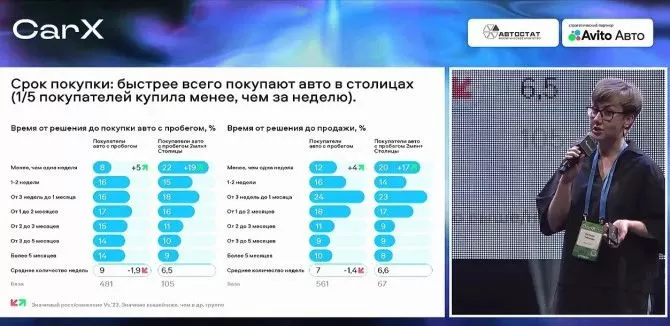
Russian used car buyer investigation: prefer car age 4-5 years
October 24, 2024

The United States lifts sanctions on 11 Russian banks
November 14, 2024
Which platform is reliable for buying used cars?
December 04, 2024